
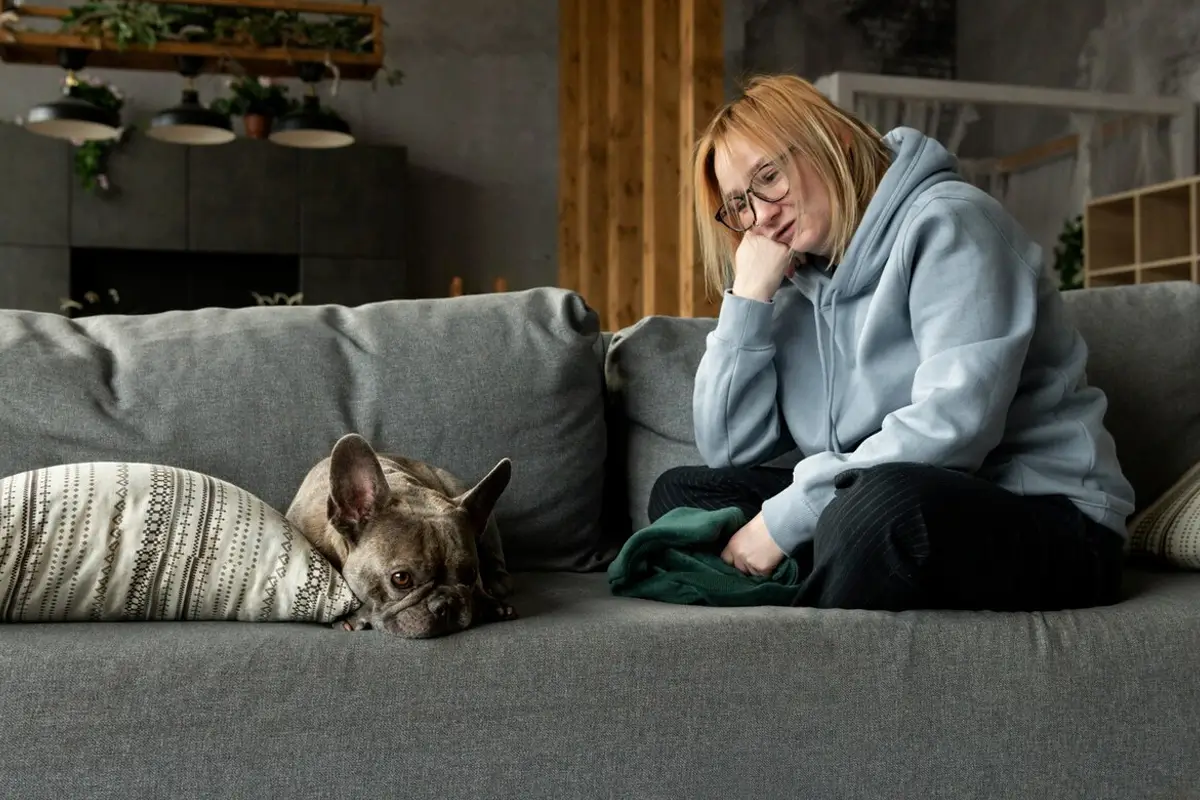
Coming home to a distressed dog and a damaged home is a heart-sinking feeling. As a busy Greenwich professional, you might find yourself frustrated, wondering why your well-behaved companion acts out the moment you leave. The answer often isn’t spite or poor training—it’s separation anxiety.
This is a genuine panic response triggered by your absence. For a social animal like a dog, being left completely alone for long hours can be terrifying. The good news is that with understanding and a strategic approach, you can help your dog feel safer and more secure, restoring peace to your Greenwich home.
Is It Mischief, or Is It Anxiety? Recognizing the Signs
True separation anxiety goes beyond the occasional chewed shoe. It’s a pattern of distress behaviors that occur almost exclusively when your dog is left alone.
The most common signs include:
- Destructive Behavior: This isn’t casual chewing. This is focused destruction on door frames, window sills, or your personal belongings (like shoes or remote controls) that carry your scent. The damage is often centered on exit points.
- Excessive Vocalization: Non-stop barking, whining, or howling that begins shortly after you leave and may continue for the duration of your absence. (Your neighbors might be the first to tell you about this one).
- Potty Accidents: Urinating or defecating in the house, even if they are otherwise perfectly house-trained. This often happens in a state of panic, not a lack of control.
- Pacing and Salivation: Anxious dogs often follow a predictable path (like walking in circles from the door to the window) and may drool excessively, leaving puddles on the floor.
If you see these signs, your dog isn’t trying to punish you. They are signaling that they are in distress and need your help.
The Greenwich Solution: How a Midday Walk Breaks the Cycle
For dogs in Greenwich, Stamford, and other commuter towns, the workday can feel like an eternity. The single most effective strategy for managing separation anxiety is to break up the long, lonely stretch of your absence.
This is where a consistent midday walk with Thumping Tails becomes a powerful therapeutic tool.
- It’s a Game-Changing Interruption: A long block of solitude allows anxiety to build to a peak. A visit from our walker in the middle of the day provides a crucial reset. It breaks the monotony, offers companionship, and gives your dog something positive to anticipate.
- It Addresses Core Needs: Anxiety is often fueled by pent-up energy. Our adventure walks provide essential physical exercise and mental stimulation. A tired dog, who has had a chance to explore the sights and smells of a Greenwich park, is far more likely to rest calmly than one who has been alone and inactive for hours.
- It Builds a New, Positive Routine: Dogs thrive on predictability. Knowing that their beloved walker will arrive like clockwork provides a sense of security and structure. This reliable care reduces the uncertainty that fuels their anxiety.
Empowering Tips for a Calmer Departure and Return
In addition to professional support, your own routine can make a world of difference. The goal is to make your comings and goings less of a dramatic event.
Create a Calm Departure Routine:
- Ignore Your Dog Before You Leave: For the 10-15 minutes before you depart, avoid petting, talking to, or making eye contact with your dog. This lowers the emotional intensity of the goodbye.
- Downplay Your Exit: Never make a big production of saying goodbye. A simple, quiet departure is best. Consider giving a long-lasting treat (like a stuffed Kong) as you walk out the door to create a positive association with your leaving.
Master the Low-Key Homecoming:
- The 5-Minute Rule: When you arrive home, ignore your dog for the first five minutes. Don’t make eye contact, don’t talk to them, and don’t pet them—even if they are jumping and whining for attention.
- Wait for Calm: Once your dog has all four paws on the floor and has settled down, then you can calmly and quietly greet them. This teaches them that calm behavior, not frantic excitement, is what earns your attention.
You Can Help Your Dog Feel Safe Again
Separation anxiety is a challenging issue, but it is manageable. By combining a consistent routine, calm departures, and the crucial intervention of a midday walk, you can help your dog learn that being alone is safe and temporary.
At Thumping Tails, we see ourselves as your partner in this process. We provide more than just a walk; we provide a lifeline of comfort and stability for your anxious dog, giving them the relief they need to make it through your workday peacefully.
Ready to bring peace and calm back to your Greenwich home?
Let Thumping Tails be the solution for your dog’s separation anxiety.
Book Now your consistent midday walk, or call/text us at 914-508-0985 to discuss how we can create a customized care plan for your dog’s needs. Help your best friend feel secure, even when you can’t be there.

Thumping Tails is a trusted and professional pet-care service in New York, dedicated to making life easier for pets and their parents. We offer reliable dog walking, cat care, pet boarding, cuddle visits, house-sitting, and pet taxi services. Our carefully trained and pet-loving team ensures every visit includes updates, photos, and GPS-tracked walks—so you always know your furry friend is safe, happy, and cared for.